RELECTIONS ON TEACHING THE SIX HEALING SOUNDS QIGONG:
Shifting Emotional Non-Tangible Qi at a Deeper Level
Each time I teach the Six Healing Sounds Qigong, (六字訣)the depth of the practice reveals itself in new ways.
This recent two-day workshop (April 25-26, 2026) was no exception.
Though the group was small—a long-time Qigong practitioner of over 20 years, and a senior student who has trained with me for over a decade—the intimacy of the setting created something powerful. It allowed us to go deeper, not only in the mechanics of the practice, but in the internal experience of it.
I found myself filled with gratitude. In teaching them, I was also refining my own understanding.
A Shift in Focus: Working with Intangible Qi
Traditionally, many students approach Qigong through movement—learning the form, the sequence, the physical expression.
But this time, our focus shifted.
Instead of working only with Qi once it has manifested physically in the body, we explored what I now describe as the non-physical or intangible aspects of Qi:
- Emotions
- Internal sensations
- Intuition
These are often the earliest signals of imbalance—long before symptoms appear in the physical body.
Naming the Emotion: A Simple but Powerful Step
One of the most important shifts in this workshop was this:
Before practicing each sound, we first called up a mild situation that triggered a specific emotional response.
Then we asked:
👉 What is the emotion?
This turned out to be harder than expected.
Many of us were never taught how to accurately name what we feel. Over time, this lack of clarity can lead to emotions becoming “stuck” in the body, affecting Qi and blood flow.
But once the emotion was named, something changed.
The sound, movement, and breath began to work more effectively.
And after releasing the emotion, we identified the new emotional state that arose—often calmer, clearer, and more balanced.
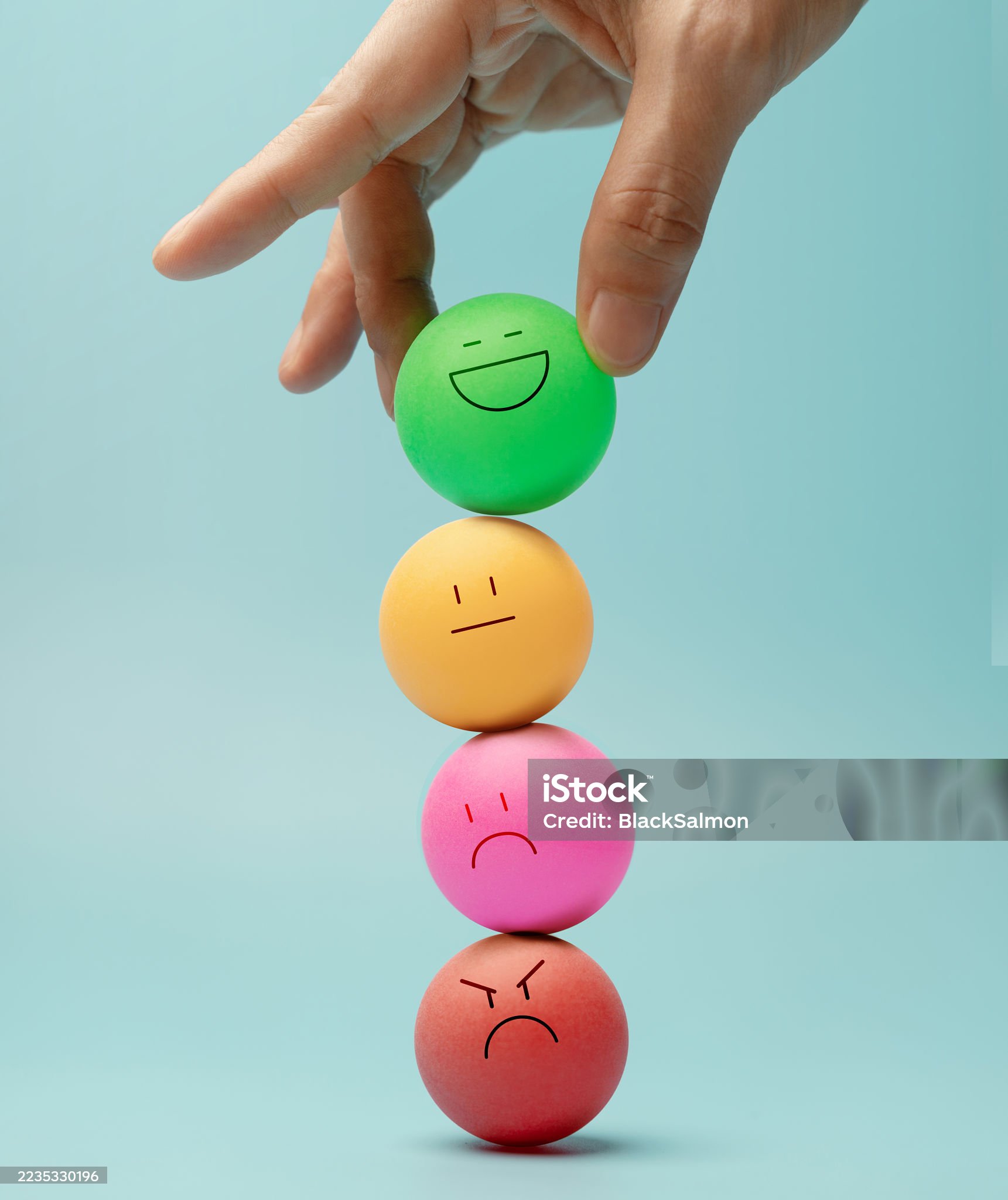
When We Name It, We Change It
One insight became very clear:
Once an emotion is named, it begins to lose its hold over us.
We are no longer unconsciously reacting.
Instead, we are aware.
And from awareness, we regain choice.
This is where the Six Healing Sounds becomes more than a physical practice—it becomes a tool for emotional regulation and self-mastery.
Refining the Practice: The 2026 MBA Framework
Over the years, I have taught Qigong through what I call the MBA framework:
- Movement
- Breathing
- Awareness
In 2026, this has evolved into:
- Movement with Awareness
- Breathing to regulate Yin and Yang
- Adjusting continuously to maintain balance
In this workshop, because the students were already familiar with the form, we were able to focus much more deeply on the awareness and emotional components of the practice.
Qi, Dao, and the Experience of Balance
In Traditional Chinese Medicine, Qi is often described as life force energy.
But through both clinical work and personal reflection, I’ve come to experience it as something more:
A dynamic interaction of energy, information, and intelligence.
When we are balanced, this expression of Qi often feels like:
- Calm
- Clarity
- Connection
- Even what many would describe simply as love or grace
When we are out of balance, it can feel like:
- Fear
- Constriction
- Disconnection
The work of Qigong is not to eliminate one and chase the other—but to recognize, regulate, and return to balance.
A Simple Practice to Begin
If you are new to this work, begin here:
- Notice what you are feeling
- Name the emotion
- Practice the corresponding sound
- Observe what shifts
Even this small step can begin to restore flow.
The Power of Words: Cultivating Qi Through Language
As we closed the workshop, we explored another layer of practice that often goes unrecognized, yet profoundly shapes our Qi:
The power of words, thoughts, and beliefs.
In both my clinical work and personal life, I’ve seen how what we think—and more importantly, what we repeatedly say to ourselves—becomes the framework through which we experience reality.
A thought is simply an idea.
But when we dwell on it, repeat it, and give it emotional charge, it becomes a belief.
And over time, that belief becomes the lens through which we interpret our lives.
Many of these beliefs are not consciously chosen. They are inherited—from family, culture, education, or early experiences. And often, they do not serve us.
Instead, they create patterns of stuck Qi—repetitive, constrictive narratives that affect both our emotional and physical health.
One simple but powerful practice I have found helpful is this:
Write down the recurring thought or belief.
Then ask:
👉 Is this true?
👉 Does this support my health and clarity?
Then consciously reframe it:
From:
“I can’t handle this.”
To:
“I am learning how to meet this with clarity and strength.”
This is not about denial or forced positivity.
It is about reclaiming authorship over our inner language.

Holy Words and the Restoration of Inner Authority
Drawing from the work of Caroline Myss, particularly her teachings on “holy language” in Anatomy of the Spirit and Sacred Contracts, we explored the idea that certain words carry a different kind of resonance:
These are not religious in a dogmatic sense.
They are words that align us with integrity, truth, and higher awareness.
Words such as:
- Truth
- Grace
- Trust
- Compassion
- Conscience
- Mercy
- Faith
- Guidance
- Reflection
When we speak or reflect on these words—not just intellectually, but with presence—they begin to organize our inner state differently.
They bring us back to center.
In contrast, there are words and patterns that tend to fragment our energy:
- Blame
- Entitlement
- Victimization
These reinforce disempowerment and often keep Qi circulating in unproductive loops.
One insight that stood out deeply:
👉 Life is the management of our inner power—and language directs that power.
Every word we choose either leaks Qi or conserves and directs it.
Self-Trust, Integrity, and the Return to the Dao
Another theme that emerged was the connection between language and self-trust.
Many of us carry old emotional imprints—long after the situation has passed, or the people involved are no longer present.
Yet the internal dialogue continues.
In this way, we continue to affect our own Qi—often unconsciously.
A simple but profound teaching I often return to is this:
👉 Self-trust is built by keeping small promises to ourselves.
Not grand declarations.
Small, consistent actions.
- Going to sleep when we say we will
- Taking a 10-minute walk
- Practicing even briefly
Each time we follow through, we restore integrity.
And from integrity comes clarity.
From clarity, better choices.
From better choices, healthier Qi.
Choice, Language, and the Direction of Our Life
One of the most important insights we discussed:
👉 Choice—and the meaning we assign to our experiences—has a direct impact on our health.
We are constantly deciding:
Is this experience:
- Wisdom?
- Or Wound?
Do we hold onto it?
Or do we learn and release?
Language plays a central role here.
The words we use determine whether we remain stuck in a narrative—or move forward with awareness.
Closing: Returning to Stillness
We ended the workshop with a crystal bowl sound bath.
The room became quiet.
The body softened.
The Qi became perceptible again—not as effort, but as presence.
Students described feeling:
- Lighter
- Clearer
- More peaceful
- More connected to themselves
This is the state we are always returning to.
Not forcing.
Not striving.
But remembering.

Closing Reflection
This workshop reminded me that even practices we have learned before can deepen endlessly.
I am grateful to my teachers, especially Dr. Hu, whose clarity and precision continue to guide my work.
And I am grateful to my students, who allow me to continue learning, refining, and sharing this path.
Further Reading & Influences
This workshop and reflection were inspired in part by the following works, which explore the relationship between emotional awareness, language, and healing:
- Anatomy of the Spirit by Caroline Myss
- Sacred Contracts by Caroline Myss
- Forgive for Good by Fred Luskin
These teachings offer additional perspectives on:
- The role of language and belief in shaping our inner experience
- The connection between emotional patterns and physical health
- The importance of forgiveness, self-responsibility, and inner alignment in the healing process
Enter your name and email to download the PDF version of this blog.
Thank you! The blog should be delivered shortly.
Check your inbox or spam folder.
Otherwise contact us at: support@qi-mastery.com
Ready to Rebalance Your Emotional-Heart-Mind Qi?
If you are navigating stress, hormonal changes, immune imbalance, or simply feel disconnected from your own vitality, you do not have to do this alone.
You can work with me through:
- Private acupuncture sessions in Cupertino
- Small group Qigong workshops
- The QiMastery App for guided home practice
- Upcoming retreats focused on Heart–Kidney integration
Healing is not forced. It is cultivated — with guidance and consistency.